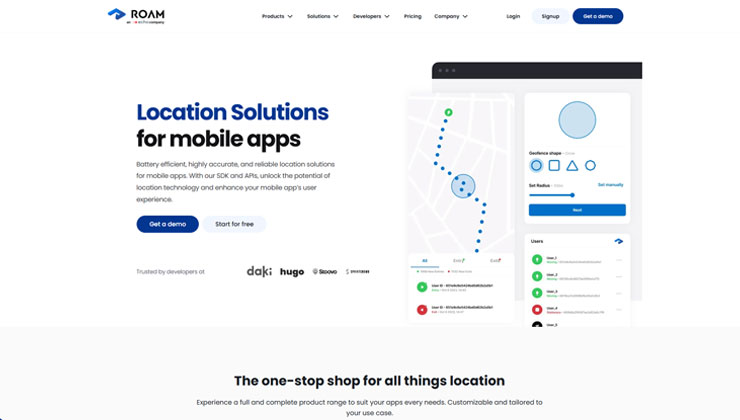
What is GeoSpark?
GeoSpark is a dynamic location intelligence platform designed to help developers create location-aware applications with ease. By leveraging GeoSpark, users can access real-time location data, perform location analytics, and design custom geofences with personalized rules.
The platform also offers robust APIs and SDKs, allowing seamless integration of location data into various projects. GeoSpark features an intuitive dashboard that enables users to visualize and interpret location data while gaining valuable insights into customer behavior.
It also facilitates the creation of personalized customer segments based on geolocation data. Moreover, GeoSpark’s advanced tools allow the detection of unusual behaviors and security risks, such as rapid location shifts or location-based fraud.
With its comprehensive features, GeoSpark equips developers with the tools they need to build innovative, interactive, and engaging applications.
Key Features and Benefits
- Custom Geofencing Capabilities
Create and implement tailored geofences along with personalized geofencing rules to manage location-based triggers and actions. - Visualize and Analyze Location Data
Easily visualize location data and utilize advanced analytics to gain insights into customer behavior patterns and preferences. - Monitor Suspicious Activities
Leverage GeoSpark’s detection tools to identify unusual activities, including sudden location changes or potential geo-based fraud.
Advantages of Using GeoSpark
GeoSpark provides a wealth of benefits for developers seeking to integrate location intelligence into their applications. With its powerful APIs and SDKs, it enables the easy incorporation of location data, while the platform’s analytics tools provide actionable insights into user behavior. Additionally, the ability to create custom geofences and detect anomalies makes GeoSpark an invaluable resource for building secure and engaging applications.
Disadvantages of Using GeoSpark
While GeoSpark offers robust tools for location-based applications, there are a few considerations to keep in mind. The complexity of setting up some advanced features may require a learning curve for new users. Additionally, the platform’s reliance on internet connectivity for real-time data analytics may limit its functionality in certain low-coverage areas.
Conclusion
GeoSpark is a powerful location intelligence platform that delivers a range of features designed to enhance location-aware application development. Its advanced analytics, geofencing capabilities, and anomaly detection tools make it an invaluable resource for developers.
While there may be some challenges in getting started, the platform’s benefits far outweigh these minor drawbacks, making it a great choice for those looking to leverage location data in their projects.